
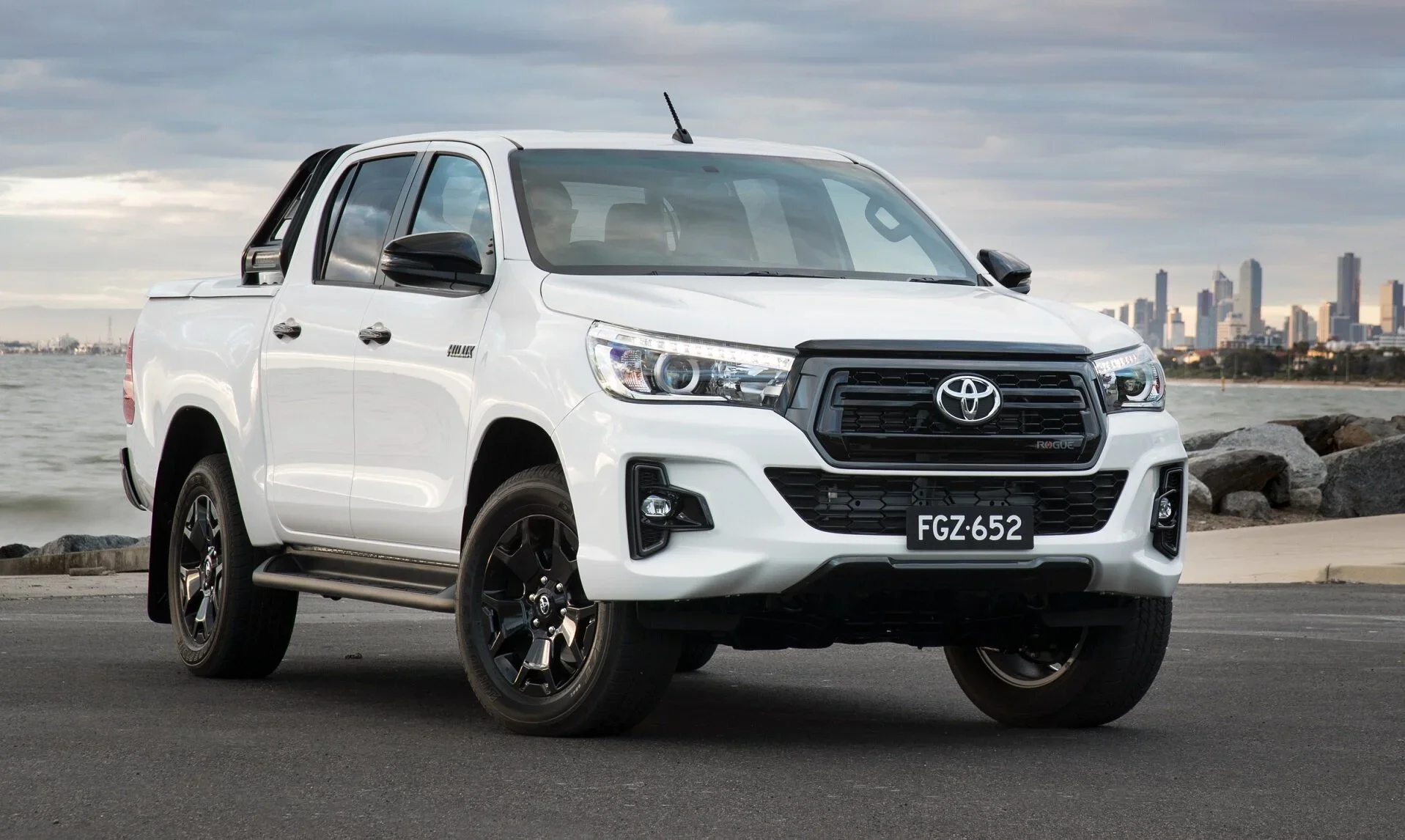
Dual Cab Utes and FBT
A dual cab ute is not exempt from Fringe Benefits Tax (FBT). If an employer provides dual cab utes to staff to complete their duties and the vehicle is available for personal use, then the benefit may be subject to FBT.
To qualify for an exemption, the due cab ute must be an 'eligible vehicle'. That is, it must be designed to carry a load of one tonne or more, or more than eight passengers (including the driver). This means the carrying capacity needs to be more than one tonne.
The dual cab ute must also be used for limited private use (ie minor, infrequent or irregular), such as the occasional trip to the tip or helping mate move house.
If any employee's personal use of the dual cab ute does not meet both of the above exemption conditions, then the employer will be liable for FBT and is required to lodge a Fringe Benefits Tax Return.
If your entity has purchased a dual cab ute that has a carrying capacity of less than a tonne, the vehicle is liable for Fringe Benefits Tax

New Restrictions on LRBA’s
Recently enacted legislation imposes new restrictions on the use of limited recourse borrowing arrangements ('LRBAs') by self-managed superannuation fund ('SMSFs').
LRBAs entered into on or after 10 August 2026 to purchase real estate can now only be used to acquire business real property.
These changes do not apply if a SMSF:
Has already entered into an LRBA to finance a real property acquisition before 10 August 2026; or
Maintains or refinances that LRBA on or after 10 August 2026.
'Business real property' generally means land and buildings used wholly and exclusively in one or more businesses.

Government to Reintroduce Loss Carry Back for Companies
The Government has recently introduced legislation to re-introduce the 'loss carry back' measure for companies from 1 July 2026.
If enacted, this will allow most companies to carry back a loss and apply it against tax paid in either, or both, of the previous two income years, basically giving a rise to a tax refund for the loss year.
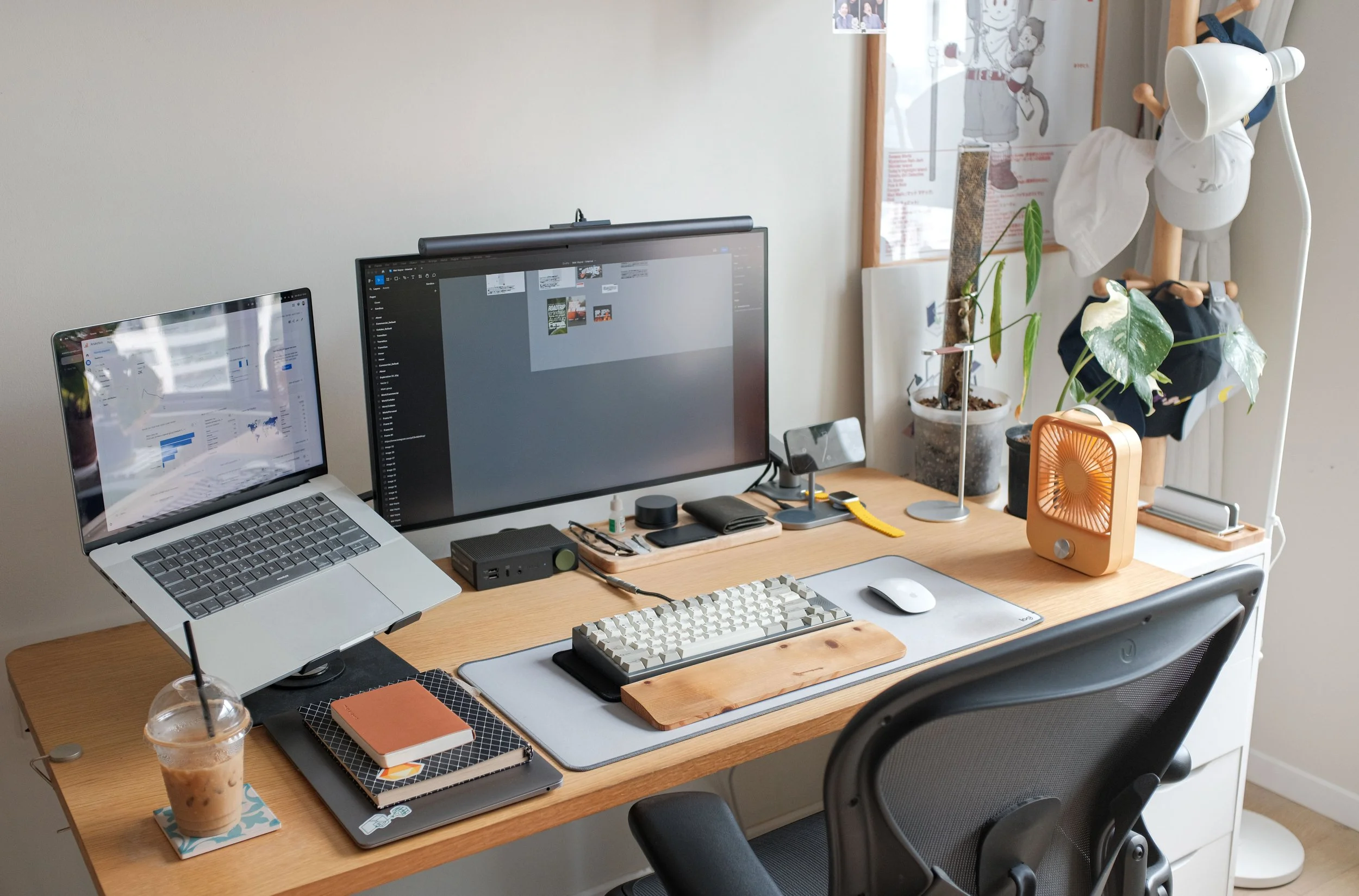
ATO Warning on Home Occupancy Expense Claims
The ATO has identified that some taxpayers are incorrectly claiming rent, mortgage interest, and other occupancy expenses as part of their work-from-home expenses.
To claim occupancy expenses, a taxpayer must be able to demonstrate that:
The area of their home they used for work purposes is a 'place of business';
If they are an employee, it was necessary for them to work from home because their employer did not provide an alternative 'place of business' to work from; and
The nature of their income-earning activities requires them to have a 'place of business'.
Factors that may indicate whether an area has the character of a 'place of business' include whether the area is:
Clearly identifiable as a 'place of business';
Not readily capable for private or domestic use;
Exclusively or almost exclusively used for carrying on a business; and
Used regularly for client or customer visits.
Taxpayers who are eligible to claim occupancy expenses can claim a portion of those expenses based on floor area, the period they worked from home, and their ownership of the property.

Government to Permanently Extend $20,000 Instant Asset Write-Off
The Government has recently introduced legislation that would make the $20,000 instant asset write-off permanent for small businesses (as announced in the 2026 Federal Budget).
If enacted, the changes would:
Permanently set the instant asset write-off threshold at $20,000 (instead of $1,000) for eligible depreciating assets first used, or installed ready for use, for a taxable purpose from 1 July 2026; and
Permanently set the general small business pool threshold at $20,000 from 1 July 2026.

Government's Tax Reform Package
The Government has recently legislated several of the tax reform measures announced in the 2026 Federal Budget (and in later media releases). These include, among other things:
Replacing the CGT discount with cost base indexation and a 30% minimum tax on gains accruing from 1 July 2027 (including gains on pre-CGT assets);
Increasing the small business turnover threshold for the 50% active asset reduction from $2 million to $10 million;
Limiting negative gearing for residential property to new residential dwellings from 1 July 2027 (subject to transitional rules); and
Introducing the Working Australians Tax Offset from 1 July 2027, and the $1,000 instant tax deduction for work-related expenses from 1 July 2026.
After a round of consultation, the Government has also announced further proposed measures, broadly including (among others);
A new targeted CGT discount for investors in innovative start-ups;
Barring self-managed superannuation funds ('SMSFs') from utilising future limited recourse borrowing arrangements ('LRBAs') to acquire residential property; and
Exempting income of discretionary testamentary trusts from the minimum tax proposed for trusts.

$1,000 Standard Deductions for Work Expenses
The ATO has recently updated its Employees guide for work expenses to remind taxpayers that the new $1,000 standard deduction cannot be claimed for the 2026 income year.
From 1 July 2026 (ie in respect of the 2027 income year and later years), employees may choose either the standard deduction for work-related expenses of up to $1,000, or a deduction for the actual work-related expenses they incur.
Taxpayers should continue keeping records for deductible work expenses incurred from 1 July 2026. If, at the end of the 2027 income year, they choose to claim their actual expenses, they must have the required written evidence for those expenses.

Payday Super and Independent Contractors
The ATO is reminding businesses that Payday Super changes when super contributions must be paid, not who is entitled to receive them.
Businesses generally need to pay super where they engage an independent contractor mainly for their labour, personal effort, skills or time.
This can apply even if the contractor:
has an ABN;
invoices the business for their work; or
is described as a contractor in a written agreement.
Where an independent contractor is entitled to super, the contribution must be paid for each payday and reach their super fund within seven business days after payday.
It is not mandatory to report payments made to independent contractors through Single Touch Payroll ('STP'). However, if a business reports them voluntarily, it must meet the STP reporting requirements, including reporting qualifying earnings and super liability information.

Dental Clinic Liable for Super Guarantee Charge - Contractor v Employee
The Administrative Review Tribunal (‘ART’) recently considered whether an oral health therapist engaged by a dental clinic was an ‘employee’ for super guarantee purposes.
The clinic argued that the therapist was not an employee but was instead an independent contractor and, as such, the clinic was not liable for the super guarantee charge.
The ART disagreed, and held that the therapist was an employee under the extended definition.
In particular, the ART found that:
The contract contained features consistent with an 'employment' arrangement;
The therapist was part of a regulated profession and could not practice independently;
The purpose of the contract was to engage the therapist personally to work as a member of an integrated team (rather than to provide her with the use of the clinic and its facilities for a fee);
The clinic did not establish that she had a genuine right to delegate/subcontract her work; and
The therapist was not directly rewarded for her services, as her remuneration was subject to adjustments applied by the clinic on patient invoices.
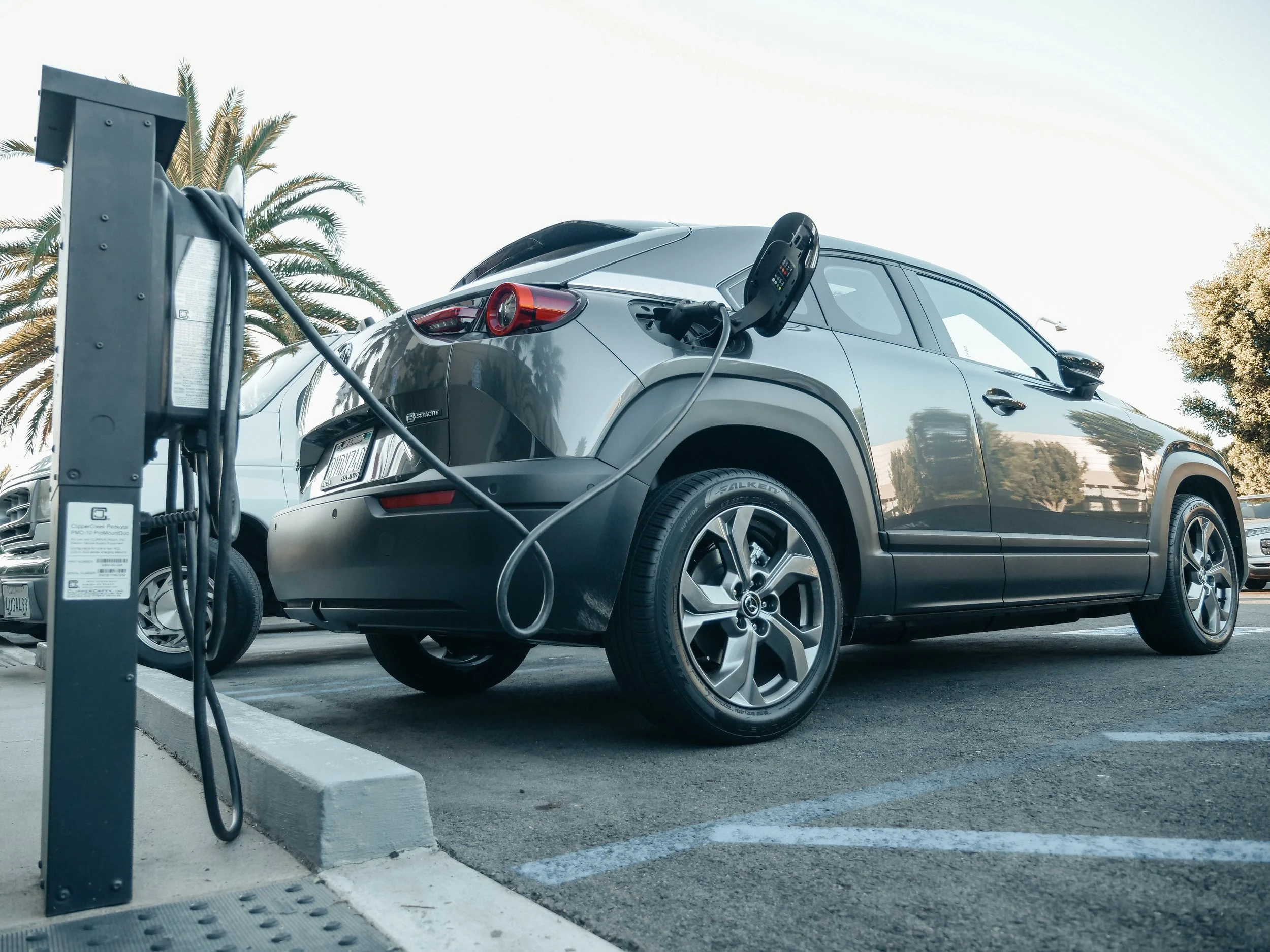
Hybrid Vehicles and FBT Changes
Employers that provide plug-in hybrid electric vehicles ('PHEVs') to employees (or associates) for personal use should remember the following.
Home-charging expenses — new shortcut method
The ATO has updated its guidelines to include a new method to make it easier to calculate PHEV electricity costs when a vehicle is charged at an employee's home.
To use the shortcut home-charging rate, employers and other individual taxpayers must meet the relevant eligibility requirements (or they can still choose to calculate the actual electricity costs instead of using this optional method).
Eligibility for FBT exemption
Since 1 April 2025, PHEVs are not considered a zero or low emissions vehicle under FBT law and no longer qualify as exempt. Employers that provide PHEVs to their employees for private use, or that have PHEVs that are available for private use, may now have FBT obligations for the 2025/26 FBT year (subject to transitional arrangements).
Taxable Payments Annual Report Lodgement Reminder
Businesses that pay contractors for 'Taxable payments reporting system services' may need to lodge a 'Taxable Payments Annual Report' ('TPAR') by 28 August each year.
The ATO will apply penalties to businesses that have not lodged their TPAR from 2025 or previous years, and/or that have been issued three reminder letters about their overdue TPAR.
Businesses that do not need to lodge a TPAR can submit a 'non-lodgement advice ('NLA') form'. Businesses that no longer pay contractors can also use this form to let the ATO know that they will not need to lodge a TPAR in the future.

Know When a New Logbook is Required
Taxpayers can keep the same logbook for their car for five years, but there are circumstances where they may need a new one during that period.
Relying on a logbook that no longer represents a client's work-related travel may result in them claiming more, or less, than they are entitled to.
A new logbook may be required when a taxpayer:
moves to a new house or workplace — updating their residential or work address may then be necessary;
has changes to their pattern of use of the car for work purposes — checking that they are still doing the same role and routine may then be necessary.
Taxpayers using the logbook method for two or more cars need to keep a logbook for each car and make sure they cover the same period.
Clients who purchase a new car during the income year and want to continue relying on their previous car's logbook must make a nomination in writing. The nomination must be made before they lodge their tax return and state:
they are replacing their original car with a new car; and
the date that nomination takes effect.
Taxpayers should remember that, if their employer provides them with a car or they salary sacrifice a car using a novated lease, they are not entitled to claim work-related car expenses using the logbook or cents per kilometre method, as they do not own the car.
When claiming car expenses using the logbook method, taxpayers also need to keep various types of other records, including (among other things) odometer records for the start and end of the period they own the car, proof of purchase price, decline in value calculations, and fuel and oil receipts (or records of a reasonable estimate of these expenses based on odometer readings).

ATO Warns of Tax Time Misinformation and Focus Areas
The ATO is warning the community to be wary of incorrect or misleading information this Tax Time, particularly claims promising greater refunds, shortcuts or hacks.
The ATO is seeing a rise in tax-related content and ‘tips’ being shared — especially online — and is urging taxpayers to treat unverified advice with caution.
Australians should think twice before acting on information from third-party sources such as artificial intelligence ('AI') platforms, ‘finfluencers’, or advice from family or friends. Although the ATO acknowledges that AI can be helpful, it can lead to inaccurate advice: "Your tax return isn’t the place for guesswork."
The ATO also revealed that, this Tax Time, it will be focusing on areas where taxpayers are likely to make errors, including work-related deductions and expenses (and properly apportioning such expenses), and omitted income (including from 'side-hustles', cash jobs, and rental income).

2026 Budget: The Big Changes
Some of the main proposed changes include:
Delivering a new Working Australians Tax Offset ('WATO') to provide a permanent annual $250 tax offset to all eligible Australian workers. This applies to eligible income earned from 1 July 2027 (i.e., from the 2027/28 income year).
Introducing a $1,000 instant tax deduction to allow workers to deduct up to $1,000 of work-related expenses without keeping receipts from 1 July 2026.
Limiting negative gearing for residential property to new builds from 2027/28. Arrangements will remain unchanged for all existing investments made before 7:30pm AEST on 12 May 2026.
Replacing the 50% CGT discount with inflation‑adjusted indexation from 1 July 2027 to "restore the taxation of real gains", with a minimum tax rate of 30% on realised gains. This will apply to all assets (including pre-CGT assets) except new builds of residential properties (where taxpayers can choose either the old or the new CGT rules to apply). It will be prospective, with gains accrued on existing investments prior to the start date to retain the 50% discount (where eligible).
Applying a minimum 30% tax rate on discretionary trusts from 2028/29 to "bring tax outcomes for trusts closer to the rates that apply to the vast majority of Australian workers."
Some of the other proposed Budget changes affecting businesses include:
Making the $20,000 instant asset write‑off permanent to "give businesses more certainty to invest".
Delivering a permanent two‑year loss carry back for companies with turnover of up to $1 billion from 1 July 2026.
Introducing loss refundability for start‑ups from 1 July 2028, to help new businesses invest and grow in their first two years.

Contractors Omitting Income
Through data matching, the Tax Office is seeing some contractors incorrectly reporting or omitting contractor income. Contractors need to report all their income in their tax return, including payments made by businesses for their contracting work.
Note that, as part of the taxable payments reporting system (‘TPRS’), certain businesses must lodge a ‘Taxable Payments Annual Report’ (‘TPAR’) to report payments made to contractors for providing the following services;
Building and construction;
Courier;
Information technology;
Road freight; and
Security, investigation, or surveillance.
For taxpayers who work as a contractor and provide any of these services, the business they contract to should be reporting these payments to the Tax Office on their TPAR. Contractors obviously then need to include this income on their tax return.
If the Tax Office suspects a contractor may have omitted TPRS income on their tax return, they may contact them to request they amend their tax return. If the contractor does not take action, the Tax Office may conduct a review and audit of their business, and penalties and interest may apply.

Businesses Using Cash to Dodge Obligations
The Tax Office is ‘cracking down’ on businesses that use cash to avoid meeting their tax, employer or business obligations. Businesses that do this may:
Fail to report all sales transactions and fail to issue receipts;
Avoid paying GST, income tax, PAYG withholding, super guarantee, insurance and work cover protection;
Report their income below the $75,000 threshold to avoid registering for GST;
Exploit workers by not meeting award conditions and work cover protections; or
Undercut honest businesses by offering cheaper prices for cash.
The Tax Office warns that workers who are paid in cash-in-hand or working ‘off the books’ are often disadvantaged. Apart from not receiving the entitlements they should be, if they are injured at work, they may not be protected.
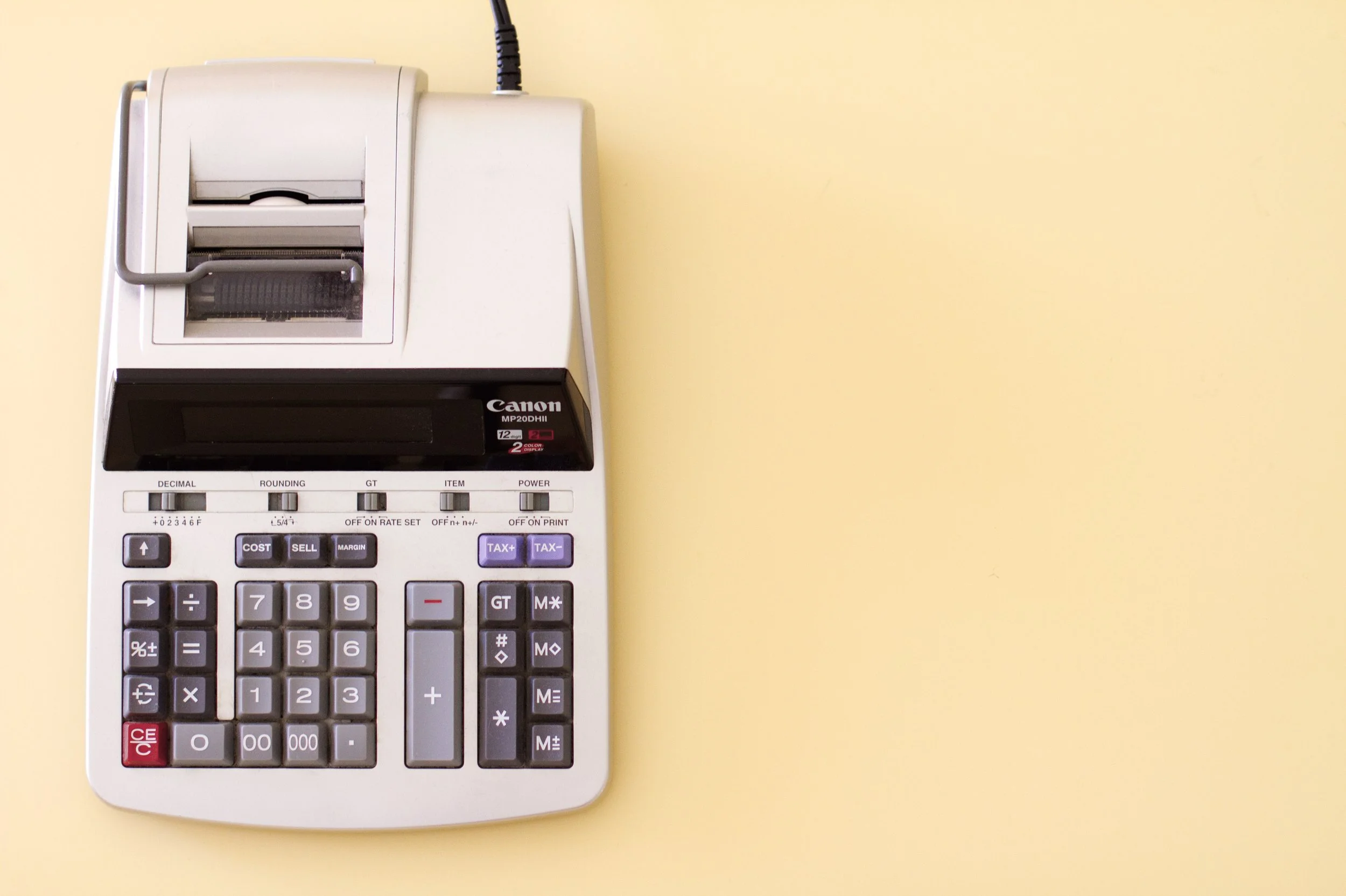
$20,000 Instant Asset Write-Off Extended
Taxpayers should note that if their business has an aggregated annual turnover of less than $10 million, they may be able to use the instant asset write-off (‘IAWO’) to immediately deduct the business portion of the cost of the eligible assets which cost less than $20,000.
Eligible assets must basically have been first used (or installed ready to use) between 1 July 2025 and 30 June 2026. The $20,000 limit applies on a per asset basis, so taxpayers can instantly write-off multiple assets.
The IAWO can be used for both new and second-hand assets (but some exclusions and limits apply).

Paying Super Guarantee
The Tax Office is reminding employers that they must pay super guarantee (‘SG’) contributions for eligible employees.
Employers need to pay a minimum of 12% (the current SG rate as from 1 July 2025) of each employee’s ordinary time earnings into a complying super fund on a quarterly basis (the due date for the March 2026 quarter is 28 April 2026).
In most cases, employees can choose the super fund.
Employers who do not pay in full, on time, or to the correct super fund, will have to pay the SG charge, which is made up of the super they owe, nominal interest on these amounts (currently 10%), and an administration fee of $20 per employee, per quarter.
These payments must be made through SuperStream (where super payments and information move through the system electronically).
Employers who use the Small Business Superannuation Clearing House to make super contributions should note that this service will be permanently closed from 1 July 2026. Existing users should switch to an alternative method to pay their employees’ super guarantee.
Also, when new employees start, employers may have an extra step to comply with the ‘choice of funds rules’ if the new employee does not choose a super fund. Employers may now need to request the new employee’s ‘stapled super fund’ details from the Tax Office.

Working from Home
With remote work remaining a common arrangement for many Australians, its important to understand how to claim tax deductions for your working from home (‘WFH’) expenses.
To claim WFH tax deductions, you must:
Be working from home to fulfil your employment duties, not just doing minimal tasks like occasionally checking emails or taking calls
Incur additional expenses as a direct result of working from home
Have records to substantiate your claims
There are two ways to calculate a Work from Home deduction. The deduction is the biggest amount of the Fixed Rate Method or the Actual Cost Method.
The Fixed Rate Method
The current rate is 70 cents per hour for each hour you work from home.
To use the fixed rate method, you must:
Work from home while carrying out your employment duties or carrying on your business
Incur additional running expenses as a result from working from home
Keep records of the hours spent working at home for the whole income year via timesheets, a logbook, your roster or diary entries
Keep records that show the work-related portion of your expenses.
Here’s what’s included under the fixed rate WFH deduction method:
Internet expenses
Energy expenses (electricity and gas) for heating and cooling, lighting and powering electronic devices
Mobile and home phone expenses
Stationery and computer consumables (like printer paper and ink).
It’s important to understand that you can’t claim additional separate deductions for any of the above expenses under the fixed rate method. For example, if you use your mobile phone while working from home, you can’t claim your mobile bill as a separate deduction - this expense is covered under the 70 cents per hour fixed rate.
While the rate covers many common expenses, you can still claim additional deductions for:
The decline in value (depreciation) of home office equipment and furniture used for work (items costing more than $300)
Immediate deductions for home office equipment and furniture used for work (items costing less than $300)
Repair and maintenance costs for home office equipment
Cleaning expenses for a dedicated home office (if applicable)
Any other running expenses not covered by the fixed rate.
One of the benefits of the revised fixed rate method is that you no longer need a dedicated office space to use this approach. You can work from any area in your home and still claim the fixed rate deduction.
You must record the total hours you work from via a timesheet, logbook, roster or diary.
You must retain records of all your additional running expenses, like phone, internet and utility bills, and hold onto them for five years.
The Actual Cost Method
The actual cost method allows you to claim the exact expenses you incur when working from home. While this method requires more detailed record-keeping, it may result in a larger deduction if you have significant home office expenses.
To use this method, you must:
Incur additional running expenses as a result of working from home
Keep detailed records (receipts and other written evidence) showing the amount spent on expenses, the amount spent on depreciating assets used while working from home and the percentage of work-related use for your expenses and assets
You also need to keep a record of the hours you spend working from home via either:
A record of the total number of hours spent working from home for the whole income year via timesheets, a logbook, your roster or diary entries; or
A diary or logbook showing your WFH hours over a continuous four-week period.
It’s important to note that you can’t claim additional expenses if other members of your household (who are not working from home) are in the same room as you while you’re working from home. So, if you work in the living room while your family members watch TV, you can’t claim the running costs for heating or cooling, because you’re not incurring any additional costs.
What you can claim under the actual cost method
Home office running costs
The work-related portion of:
Electricity and gas for heating, cooling, and lighting
Cleaning expenses for a dedicated work area
Phone and internet expenses
Computer consumables and stationery
Decline in value of depreciating assets
Depreciation of:
Office furniture (desks, chairs, bookshelves, etc)
Computers, laptops, and tablets
Printers and scanners
Other electronic equipment used for work
Record-Keeping Requirements
Regardless of which method you choose, good record-keeping is essential.
For the fixed rate method:
A record of hours worked from home (via timesheet, diary, roster, or similar)
Evidence of expenses for any additional deductions claimed outside the fixed rate
For the actual cost method:
Receipts for all expenses claimed
Evidence of how you calculated the additional running expenses as a result of working from home
A record of hours worked from home
Documentation showing the work-related use of assets

ATO Reminder: Business Expenses that Can (and Cannot) be Claimed
Taxpayers can claim a tax deduction for most business expenses, provided they meet the ATO’s three ‘golden rules’;
The expense must be for business use, not for private use.
If the expense is for a mix of business and private use, they can only claim the portion that is used for business.
They must have records to prove their claim.
The ATO also wants business taxpayers to remember that there are some expenses that they cannot claim, including entertainment expenses, traffic fines, and expenses that relate to earning non-assessable income.